
Chemical Peels 101: A Calgary Clinic's Honest Guide to Types, Timing, and What to Expect
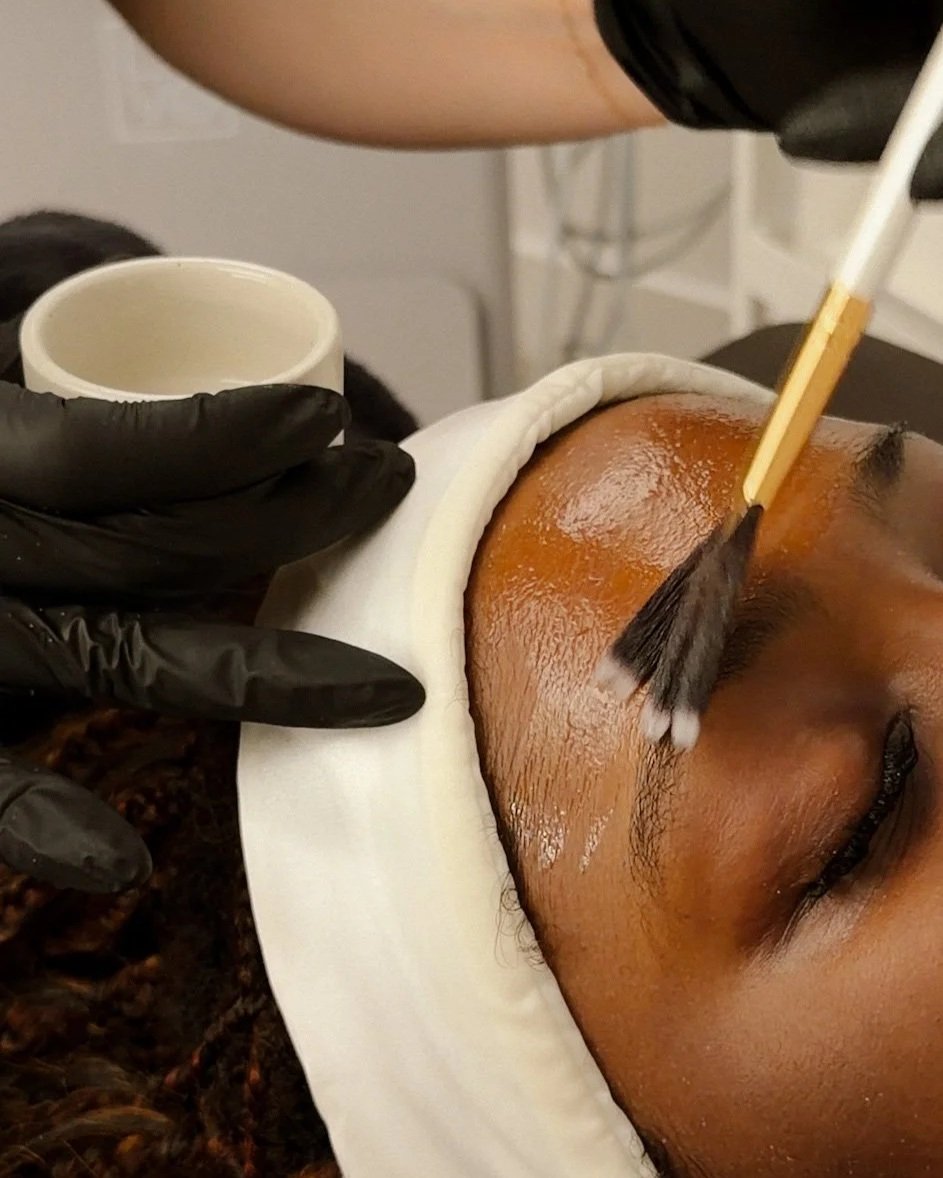
If you have been exploring ways to refresh your skin, you have likely come across chemical peels. They are one of the most established in-clinic treatments, yet they are often misunderstood, especially when it comes to how they work, what they feel like, and whether they are the right fit for your skin.
At The Collective Clinic, we take a transparent, education-first approach. This guide is designed to walk you through the essentials, from the different types of chemical peels to timing, expectations, and how to approach treatment if you are searching for chemical peels in Calgary.
What is a chemical peel?
A chemical peel is a professional skin treatment that uses carefully selected acids to exfoliate the skin's outer layers. This controlled exfoliation encourages skin renewal over time, helping to reveal a smoother, more even-looking surface.
Depending on the formulation, chemical peels may address concerns such as uneven skin tone, fine lines, congestion, dullness, and rough texture. Rather than a one-size-fits-all treatment, peels are selected based on your skin type, goals, and comfort with downtime.
Understanding the different types of chemical peels
One of the most common misconceptions is that all chemical peels are intense or involve visible peeling. In reality, they exist on a spectrum.
Superficial, or light, peels are the most gentle option. These often use alpha-hydroxy acids like glycolic or lactic acid to lightly exfoliate the surface of the skin. They are designed to support brightness and smoother texture, with little to no visible peeling. Many patients choose these as an entry point or as part of a consistent maintenance routine.
Medium-depth peels work a bit further into the skin using ingredients such as trichloroacetic acid or blended formulations. These are typically selected to support more noticeable improvements in uneven-looking skin tone and texture and to soften the appearance of fine lines. With this category, you can expect some visible flaking and a few days of downtime.
More advanced peels reach deeper layers of the skin and require careful assessment by a qualified practitioner. These treatments are more structured in both preparation and recovery, and they are not appropriate for every skin type. When recommended, it is done with a conservative, personalized approach.
Are chemical peels suitable for all skin types?
Chemical peels can be adapted for a wide range of skin types and tones, but customization is essential. A thoughtful approach helps support skin balance while minimizing the risk of unwanted irritation.
During a consultation, your practitioner will consider your skin type, sensitivity, history with pigmentation, current skincare routine, and lifestyle factors such as sun exposure. For individuals who are more prone to pigmentation concerns, a gradual plan using lighter peels is often preferred.
Your skincare routine before and after treatment can significantly influence both your experience and your results. In some cases, your practitioner may recommend adjusting active ingredients before your appointment.
When is the best time to get a chemical peel?
Seasonality plays a meaningful role in planning your treatments. Because chemical peels increase skin sensitivity to the sun, timing matters.
Fall and winter are typically ideal for medium-depth or more intensive peels, when sun exposure is generally lower, and it is easier to manage downtime. Spring and summer can still be appropriate for lighter, superficial peels that involve minimal recovery.
No matter the season, daily sunscreen use is an important part of post-treatment care and helps maintain the overall appearance of your skin.
Your skincare routine before and after treatment can significantly influence both your experience and your results. In some cases, your practitioner may recommend adjusting active ingredients before your appointment.
What happens during a chemical peel appointment?
If you are new to chemical peels, the process is often more straightforward than expected.
Your appointment begins with a consultation, where your practitioner assesses your skin and discusses your goals. Once a treatment plan is established, your skin is cleansed and prepped. The peel solution is then applied for a controlled amount of time, and you may notice a mild tingling or warming sensation.
Some peels are neutralized during the appointment, while others are designed to self-neutralize. Before you leave, you will receive post-care instructions tailored to your skin and the type of peel performed.
What can you expect after a chemical peel?
Post-treatment experiences vary depending on the depth of the peel, but it is common to notice some temporary redness, dryness, or tightness. With certain peels, you may also experience light to moderate flaking over the following days.
As your skin renews, it may appear smoother and more even in tone. Supporting your skin during this time is key. Gentle skincare, hydration, and consistent sun protection all play a role in maintaining your results.
It is also important to avoid picking or pulling at any flaking skin, as this can disrupt the natural renewal process.
No matter the season, daily sunscreen use is an important part of post-treatment care and helps maintain the overall appearance and health of your skin.
How many treatments are typically recommended?
Chemical peels are often most effective when approached as a series rather than a one-time treatment. A gradual, consistent plan allows your practitioner to adjust based on how your skin responds.
Some patients choose a series of lighter peels spaced a few weeks apart, while others incorporate occasional medium-depth treatments with more time between sessions. The right approach depends on your goals, your skin, and your tolerance for downtime.
Are chemical peels worth considering?
Chemical peels remain a popular option because of their versatility. They can be tailored, combined with other treatments, and adjusted over time as your skin evolves.
Rather than focusing on a single session, the most meaningful results tend to come from a personalized plan that supports your skin consistently and safely.
Choosing a clinic for chemical peels in Calgary
If you are researching chemical peels in Calgary, it is worth looking for a clinic that prioritizes education, customization, and patient safety.
A thorough consultation process, clear communication, and thoughtful aftercare are all indicators of a clinic that takes a responsible approach to treatment. Working with qualified practitioners helps ensure your plan is aligned with both your skin and your expectations.
Ready to explore chemical peels?
If you are considering chemical peels and want to understand what is appropriate for your skin, the next step is a personalized consultation.
Book a consultation with The Collective Clinic to discuss your goals and receive a treatment plan tailored to your skin and comfort level.
BOOK CLINICAL CHEMICAL PEEL TODAY
Information in this post is for general education only. Individual results vary. Please book a consultation with one of our practitioners to discuss whether a treatment is appropriate for you.
